
Marken

Choose Frame ↴
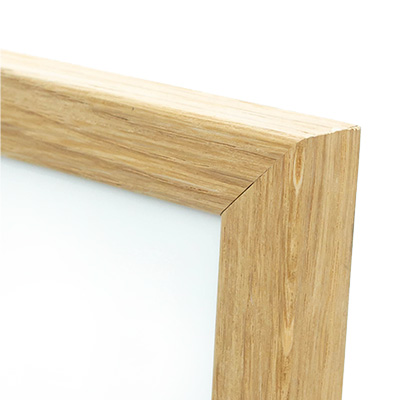
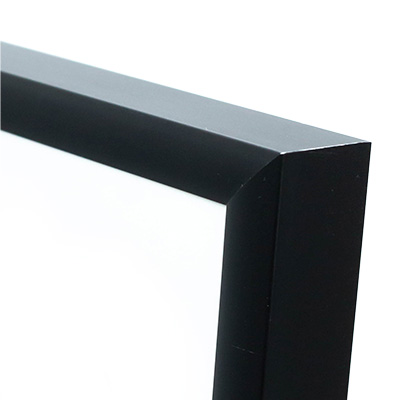
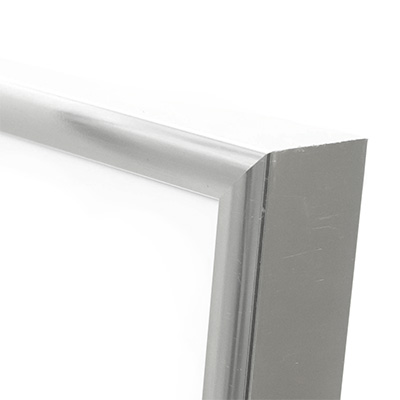

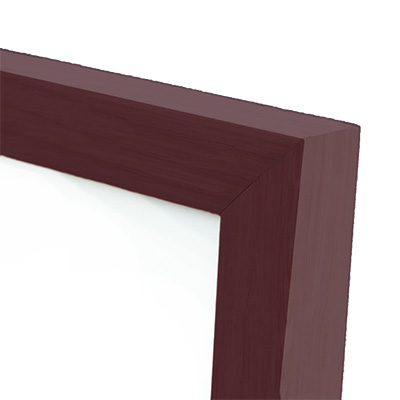

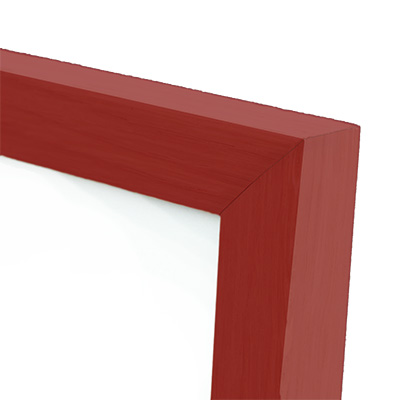
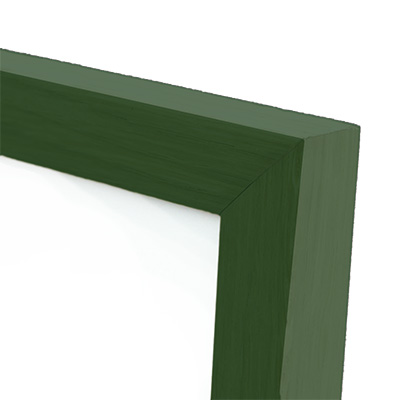
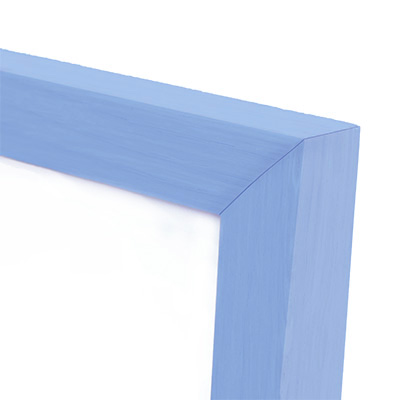
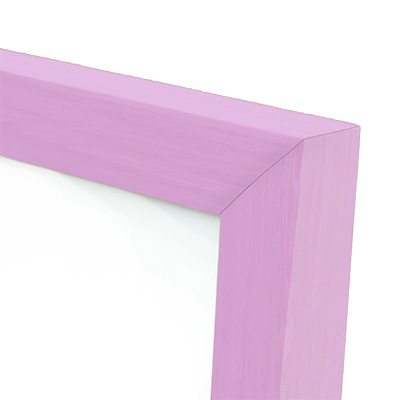
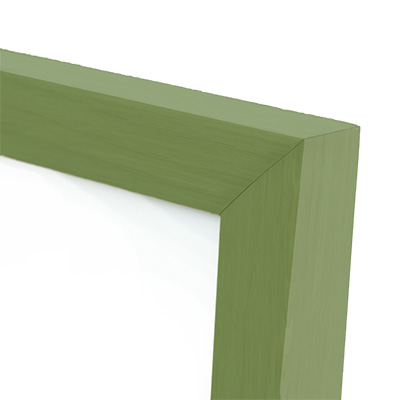
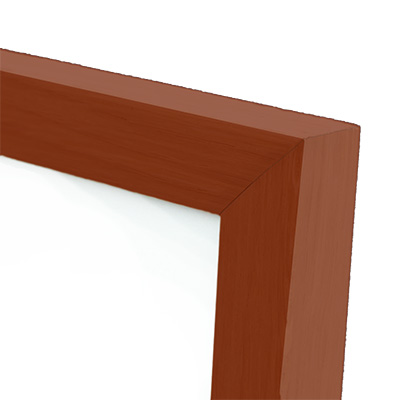
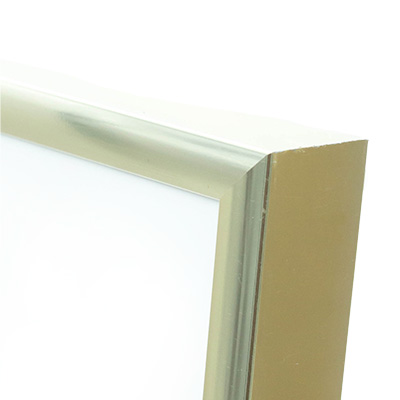
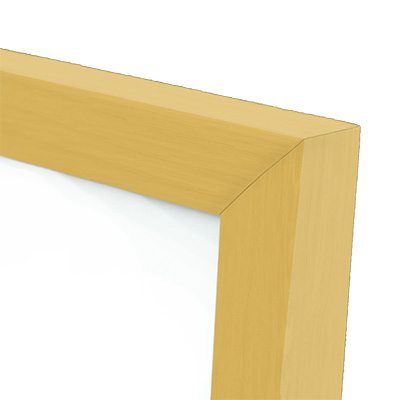
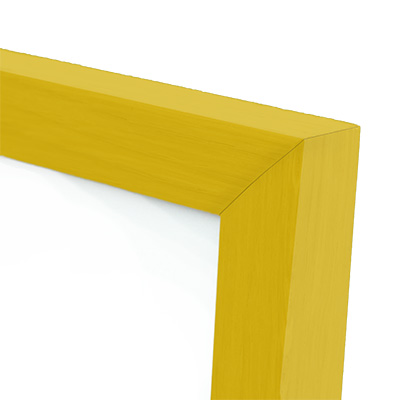
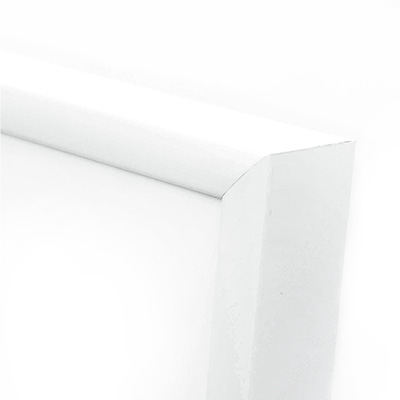
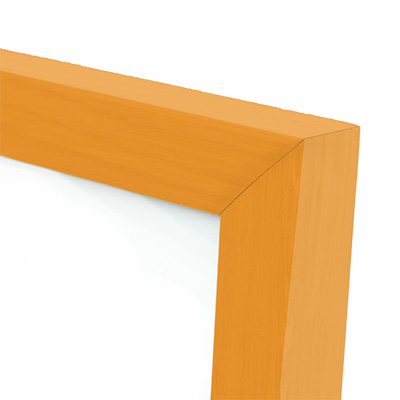
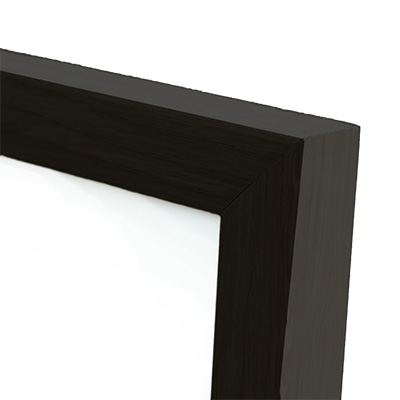


Price range: 55 kr. through 429 kr.
Paper type: Hahnemühle Matte Art Paper
Papir thickness: 210 g/m2
The artwork was reviewed and printed in the Kræss Print Studio in collaboration with the artist. We ensure that print quality, colors, and paper are of the highest quality and that the artist is paid for every copy sold. This way, we secure creativity and quality for both the artist and the customer.
Stock status
Webshop: The poster is in stock. Shipping takes 1-3 business days (depending on your location).
Store: The poster is in stock in our store in Copenhagen. Come by or choose Click & Collect.
Return and gift policy
30-day return policy: You can return the item online for a refund. If you chose to have the poster framed, you can also return the frame.
If it is a gift: In the cart, you can optionally add an exchange label and gift wrapping. If you chose to have the poster framed, the recipient can also exchange the frame.
Extended exchange period for Christmas: All gifts can be exchanged up to and including 1 February 2027.
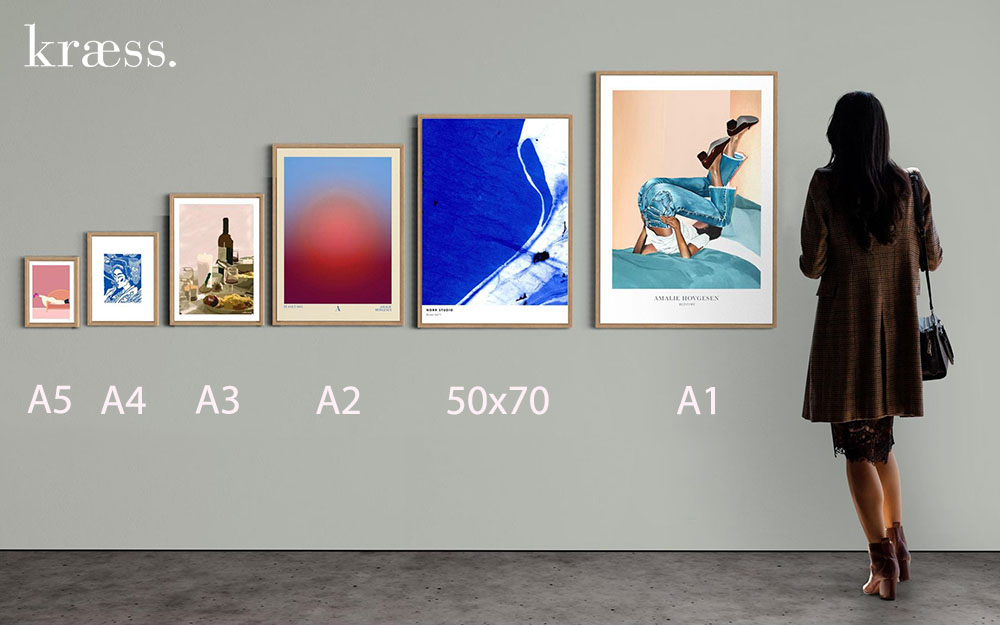
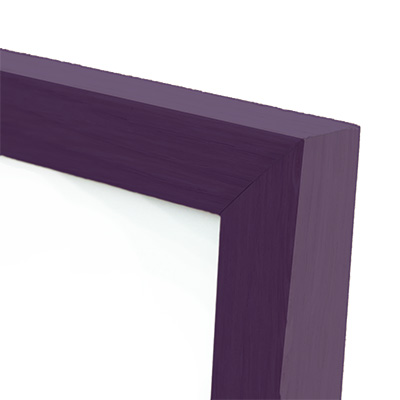
All our frames are of good quality and made of real glass.
We have chosen our frames to be affordable because we want you to be able to hang your poster in your home as soon as you receive it.
I spent the summer of '22 with my grandparents in their small village in Thailand. They live far out in the countryside in the Isaan region, which is located in central to northeastern Thailand. This area is heavily influenced by agriculture, and there are many small villages where people grow everything from rice to fruit and vegetables. On "The Field" we are in one of my family's rice fields. This summer I spent a lot of time in the field. Here I helped and learned about the entire rice process from soil to table. Summer is the rainy season, and it is precisely during this time that rice is planted and grown. Rice thrives best in flooded areas. When you plant rice, you throw off your flip-flops and step barefoot into the mud under the water. Sometimes you have water up to your hips, and you stand in the water for hours. With such long days in the sun, you have to be covered in clothes from head to toe. There are different ways to plant rice. As technology slowly trickles down to the villages, some families have started using seeders. My whole family still does everything by hand. That way, they feel they have the right feel for exactly where each individual rice straw should be placed. It also gives better and more beautiful results, they believe. However, it is also much more time- and energy-consuming. A typical day might look like this: Early in the morning around 4:30-5 a.m., the village is already bustling with people. Some are cooking, others are on their way to the field with their buffaloes, and some others are waiting along the road for the monks' morning walk. At 7:30 a.m. after dropping the children off at school, the rest of them head to the fields. Here they are for the rest of the day, until it starts to get dark. In addition to sowing rice for hours, the day is also spent looking after the cows, buffaloes and other animals. Possibly doing a little fishing, catching crabs, or keeping an eye out for snakes. Various roles are assigned between family members. One of them is that one group goes down and pulls up previously sown rice, gives it to another group, who then sows the rice in a more flooded area. And this continues for several weeks. Around 3 p.m. the children are picked up and sometimes come out into the field so that they can either help, do homework or play freely. Some time before it gets dark, a few take the children home and start dinner, while others stay and do the last things in the field. Around 6 p.m. most people come home and eat dinner together in a large group. After that, practical things such as washing up, bathing and cuddle time for the little ones are arranged. For some, the day is over, and others have to go back to the field to check on the animals one last time before they can go to sleep themselves. When I look at "The Field", I find it difficult to put into words the feeling I get. I think of the peaceful atmosphere, fresh air, cooperation that merges into a higher unity, village and agricultural life and much more. I get so much respect and gratitude for the enormous work and time that goes into a small bag of rice. That's why I painted "The Field" as a tribute to my hardworking Thai family and others who farm. I hope "The Field" can shed light on the beautiful and hard work that goes into making it possible for us to buy rice here at home.


Falang Noi
Falang Noi – something I have often been called throughout my childhood. Briefly translated from Thai, it means “The little stranger”. And is something I have often felt like, both in Denmark, where I was born, and in Thailand, where my mother comes from.
When I was younger, I had difficulty making sense of two very different cultures, and saw it more as a disadvantage than an advantage.
However, as I have grown older and gained a deeper understanding of where I come from – and especially my roots in Thailand, my view has changed. Now most of my inspiration comes from a combination of exactly this, the best of both worlds.
I try to show this double meaning of “something strange” through my works. Here I mix the colors and many impressions of Thailand with the minimalism and city life of Denmark. These contrasts lead to works that are not perfect, but tell good stories
Love Falang Noi? Get notified by email when Falang Noi releases new works.
Related products
-

Frokost ved Navigli
Price range: 55 kr. through 549 kr. -


Midnatsol
Price range: 55 kr. through 549 kr. -

Kaisa
Price range: 55 kr. through 549 kr. -
POPULAR

Espresso Martini
Price range: 55 kr. through 429 kr.


